

The True Cost of Bottled Water: Uncovering the Environmental Impact
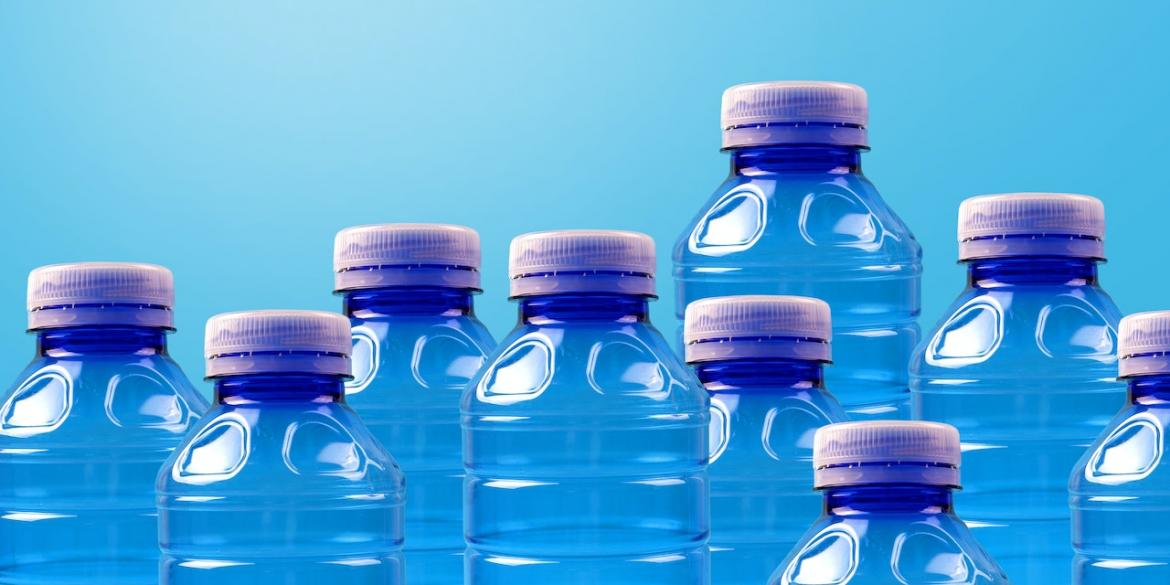
In recent years, bottled water has gained immense popularity as a convenient and perceived healthy alternative to tap water. However, few people are aware of the true environmental cost of this convenient commodity. In this article, we will delve into the environmental impact of bottled water production and disposal, shedding light on the hidden consequences and providing actionable examples and case studies. Our goal is to spark a movement towards more sustainable water consumption habits.
The Production Process and its Environmental Impact
1. Energy and resource consumption
The production of plastic bottles requires significant fossil fuel consumption. For instance, it takes approximately 17 million barrels of oil per year to produce the plastic bottles used by Americans alone.
Water usage during the production process is another concern. It takes about 3 liters of water to produce just 1 liter of bottled water, making the water footprint of bottled water significantly larger than that of tap water.
2. Depletion of local water resources
When water sources are exploited for bottling, it can have detrimental impacts on local ecosystems and communities. For example, in California, Nestlé has faced criticism for continuing to extract water from the San Bernardino National Forest, despite severe drought conditions in the region.
In India, Coca-Cola has been accused of depleting groundwater supplies and causing water scarcity for local farmers.
Plastic Pollution and Waste Management
1. Plastic waste from single-use bottles
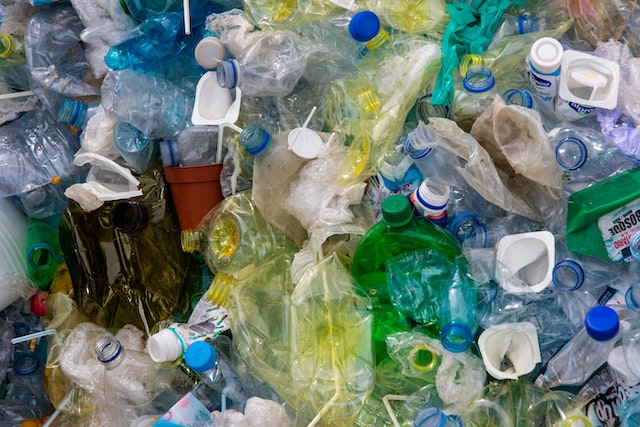
Globally, about 1 million plastic bottles are purchased every minute, and only 9% of these bottles are recycled. The remaining bottles end up in landfills or the ocean, contributing to the ever-growing plastic pollution crisis.
The Great Pacific Garbage Patch, a massive accumulation of plastic waste in the Pacific Ocean, contains an estimated 1.8 trillion pieces of plastic, much of which comes from single-use bottles and other consumer products.
2. Recycling challenges
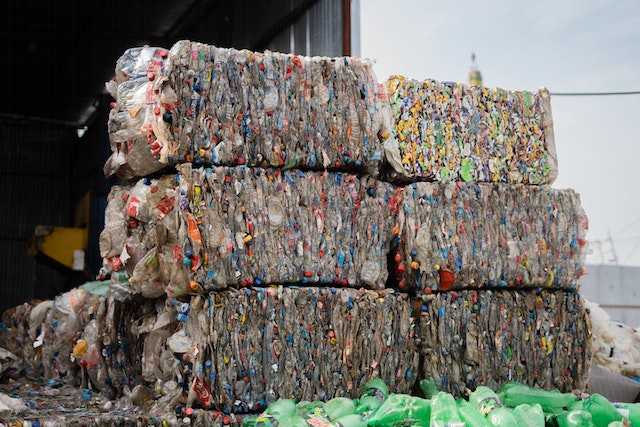
Low recycling rates are due to various factors, including lack of recycling infrastructure, consumer behavior, and the complexity of the recycling process.
Recycling plastic bottles consumes energy and generates pollution, negating some of the potential environmental benefits.
Health Implications
1. Contamination concerns
Chemicals such as Bisphenol A (BPA) and phthalates can leach from plastic bottles into the water, potentially causing health issues.
A study conducted by Orb Media found that 93% of bottled water samples contained microplastic particles, raising concerns about the long-term effects of ingesting these particles.
2. The impact of plastic pollution on marine life and human health
Marine animals often mistake plastic debris for food, leading to the ingestion of microplastics. This can cause physical harm to the animals and introduce toxic chemicals into the food chain.
When humans consume seafood contaminated with microplastics, they may be exposed to harmful chemicals that have bioaccumulated in the animals' tissues, potentially leading to health problems.
Alternatives and Solutions
1. Reusable water bottles
Switching to reusable water bottles can significantly reduce plastic waste and the environmental impact associated with bottled water. A single reusable bottle can save up to 167 plastic bottles per year.
Choose bottles made from sustainable materials, such as stainless steel or glass, to further minimize your environmental footprint.
2. Improving tap water infrastructure
Encourage your local government to invest in clean water infrastructure, ensuring safe and accessible tap water for all residents.
Support organizations that work towards improving global water
