

How to Replace Animal Protein in Your Diet: A Comprehensive Guide to Vegan Alternatives
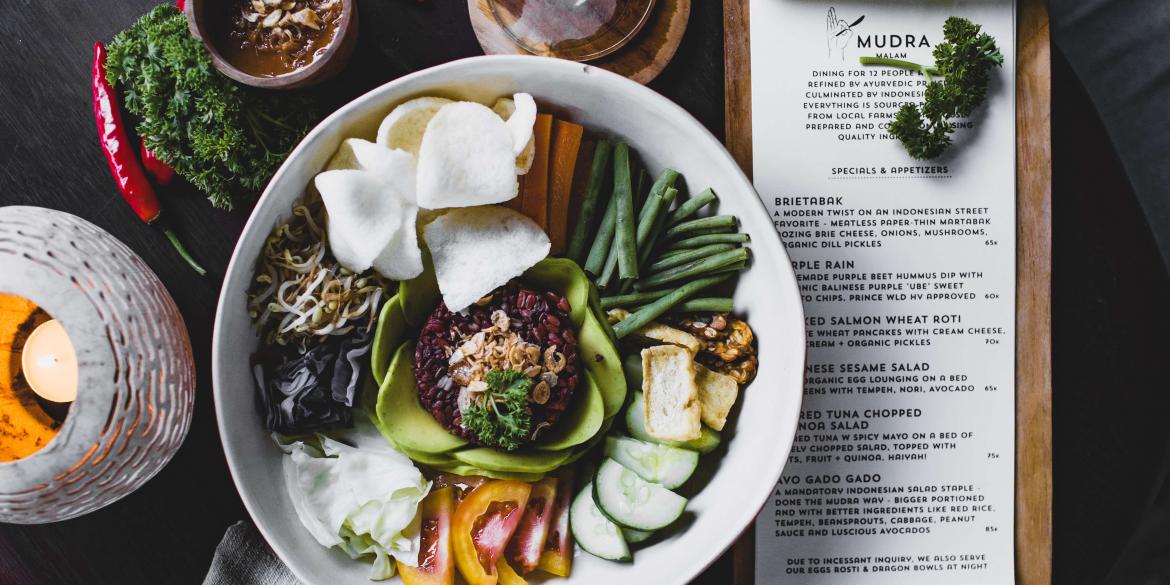
With the growing awareness of environmental concerns, animal welfare, and personal health benefits, more and more people are considering making the shift from a meat-based diet to a plant-based one. Veganism, a lifestyle that eliminates all animal products from one's diet, has gained tremendous popularity in recent years. Not only has it been shown to reduce the risk of chronic diseases such as heart disease, type 2 diabetes, and certain cancers, but it also presents numerous environmental benefits such as reduced greenhouse gas emissions and lower rates of deforestation. However, one of the most critical aspects to consider when transitioning to a vegan diet is the need to maintain an adequate protein intake. Protein is an essential nutrient that plays a vital role in the body's growth, repair, and maintenance. The challenge for many individuals considering veganism is finding alternative sources of high-quality protein to replace animal-based options. In this comprehensive guide, we will explore various vegan alternatives, debunk common misconceptions about plant-based protein, and offer practical advice to help make your transition to a vegan lifestyle seamless and nutritionally sound.
Animal protein, the building blocks of life, can be derived from various sources such as meat, poultry, fish, eggs, and dairy products. The primary distinction between plant and animal protein lies in their amino acid profiles, which encompass the essential amino acids needed by our bodies for optimal functioning. It is crucial first to understand the concept of complete and incomplete proteins. A complete protein contains all nine essential amino acids in sufficient quantities to support biological processes, while an incomplete protein lacks one or more of these indispensable amino acids.
Remarkably, animal proteins are generally considered complete, as they contain all essential amino acids, while most plant proteins are incomplete, with the exception of a few sources like quinoa, soy, and buckwheat. This disparity in amino acid profiles has led to the widespread belief that animal protein is nutritionally superior to plant protein. For instance, a study published in the American Journal of Clinical Nutrition (2015) reports that higher animal protein consumption is linked to increased muscle mass and strength in older adults. However, combining different plant protein sources can provide a full spectrum of the essential amino acids, negating the need for animal protein intake. Additionally, research suggests that plant protein can also confer health benefits like reduced risk of heart disease and weight management when consumed in a well-balanced, nutritionally dense diet. In conclusion, understanding the differences between plant and animal protein in terms of amino acid profiles and completeness is essential for making informed dietary choices and maintaining overall health.
Nutritional Requirements: How Much Protein Do You Really Need?
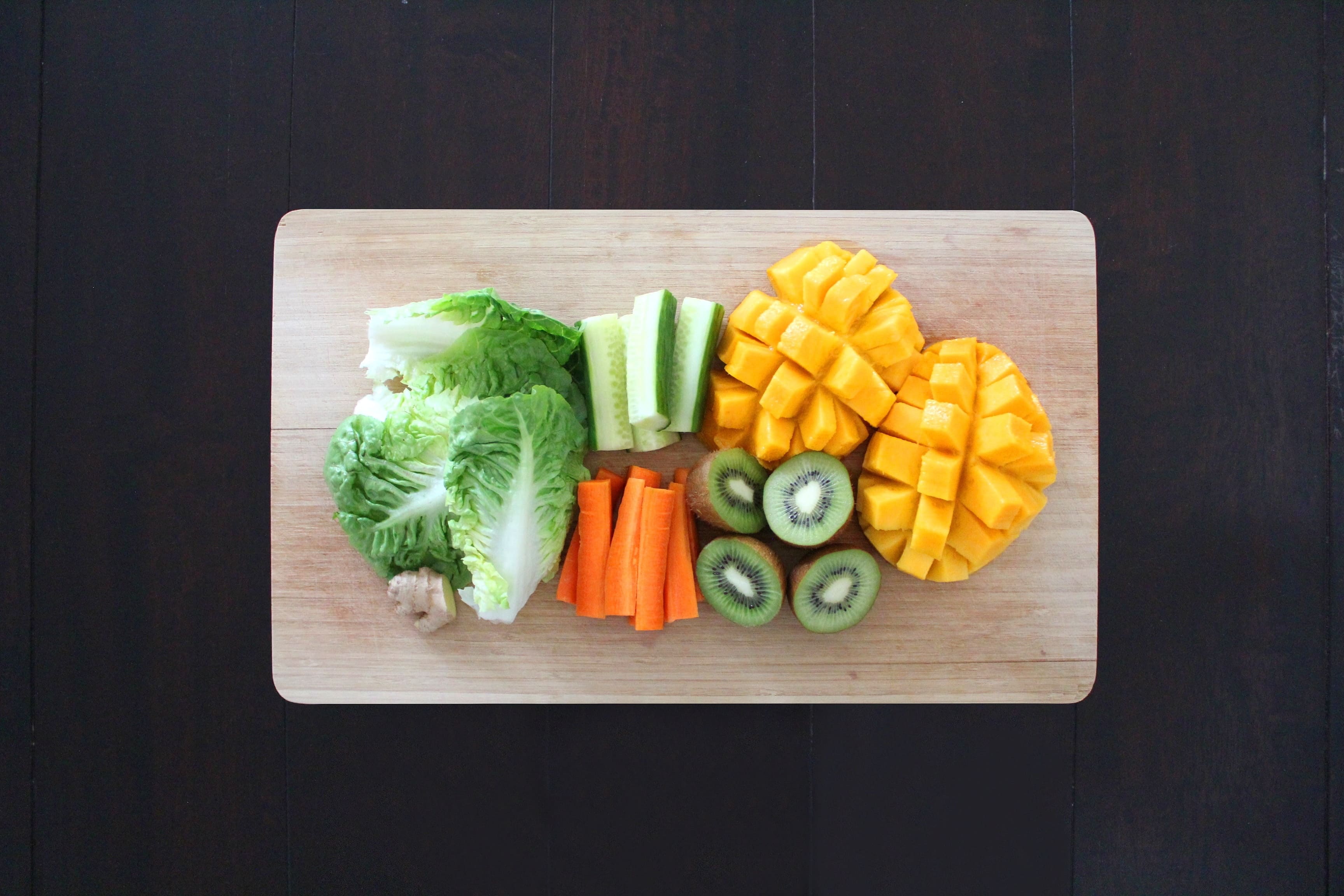
Protein is an essential nutrient that plays a critical role in various bodily functions, including building and repairing muscles, maintaining healthy skin and hair, and supporting immune health. But how much protein do we actually need to consume daily to maintain optimal health? According to the Recommended Dietary Allowance (RDA) developed by the Food and Nutrition Board of the Institute of Medicine, the average sedentary adult needs about 0.8 grams of protein per kilogram of body weight per day. This means that a person weighing 150 pounds (68 kg) would require about 54 grams of protein daily.
However, it's important to recognize that one size doesn't fit all when it comes to protein intake, as various factors can influence an individual's protein requirements. For example, age plays a significant role: children and teenagers, who are still growing and developing, typically require more protein than adults to support their growth spurts and tissue repair. Furthermore, gender can also impact protein needs, as males usually necessitate higher protein consumption than females due to their increased muscle mass and a generally higher baseline activity level. Speaking of activity levels, athletes or individuals who engage in regular high-intensity exercise usually require more protein to support muscle recovery and repair; their protein needs can range from 1.2 to 2 grams of protein per kilogram of body weight, depending on the intensity and duration of their workouts.
Ultimately, determining the precise amount of protein required to maintain your health and support your lifestyle demands thoughtful consideration of various factors, including age, gender, and activity level. It's crucial to consume a balanced diet with a variety of protein-rich foods to ensure that you're meeting your individual protein and overall nutritional needs.
Best Plant-Based Protein Sources to Fuel Your Body and Enhance Your Dishes
The quest for healthy, plant-based protein sources is a growing trend among health-conscious individuals looking to optimize their macronutrient intake without relying on animal products. If you're looking to diversify your protein sources and create incredible plant-focused dishes, we've got you covered with these five blooming categories of plant-based protein.
Legumes and pulses
• Lentils
• Chickpeas
• Kidney beans
• Black beans
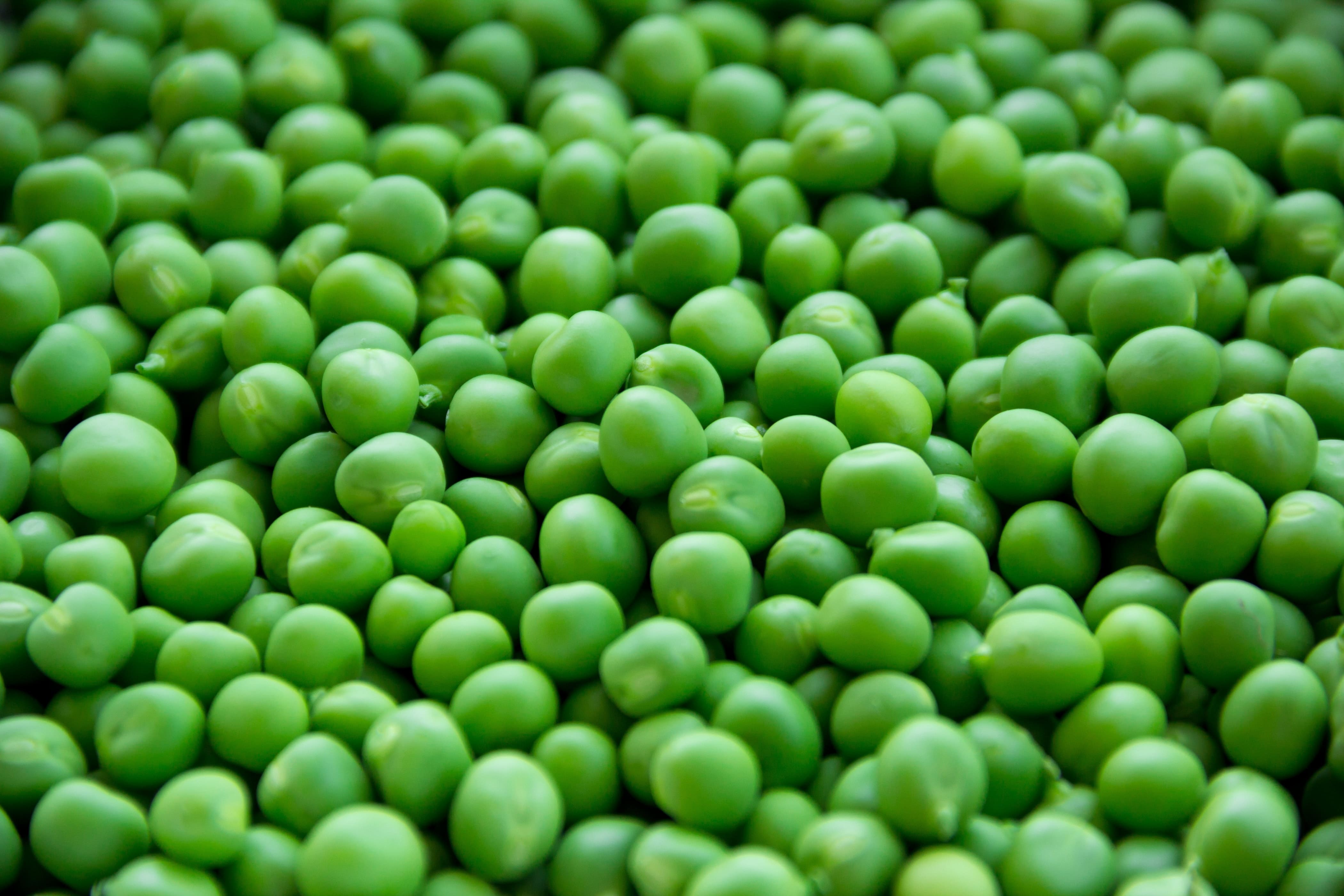
Legumes and pulses are essential to any plant-based diet, providing a high-protein, high-fiber addition to a wide array of dishes. For instance, lentils can be used in soups, salads, or plant-based burger patties, while chickpeas can be turned into delicious hummus, falafel, or roasted snacks. Kidney beans provide a hearty addition to chili or curries, and black beans can be used in tacos, burritos, and other Mexican cuisine favorites. The versatility of legumes makes them the perfect ingredient for savory, protein-rich dishes.
Soy products
• Tofu
• Tempeh
• Edamame
• Soy milk
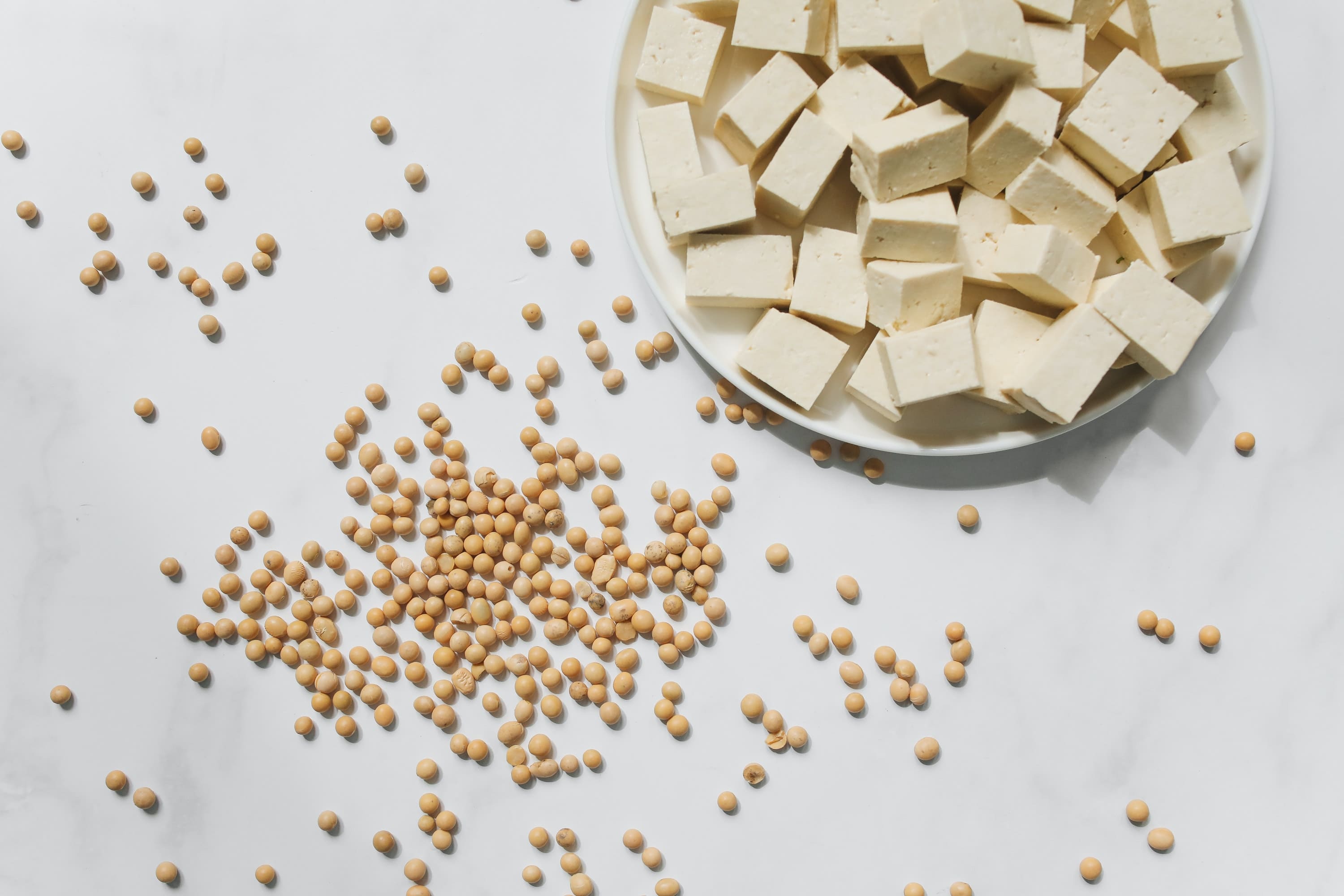
Soy products are well-known for their protein content and variety of food applications. Tofu can be grilled, seared or sautéed, adding a unique texture to Asian-inspired stir-fries, salads, or noodle dishes. Tempeh, with its firm and meaty texture, is perfect in sandwiches or even as a vegan "bacon" stand-in when crumbled and sautéed. Edamame, young soybeans, are not only delicious when steamed and seasoned with a pinch of sea salt but can also be added to soups, salads, or pasta dishes. Finally, soy milk is fantastic in smoothies, coffee or tea, and can be used as a dairy alternative in cooking or baking.
Grains
• Quinoa
• Brown rice
• Barley
• Amaranth
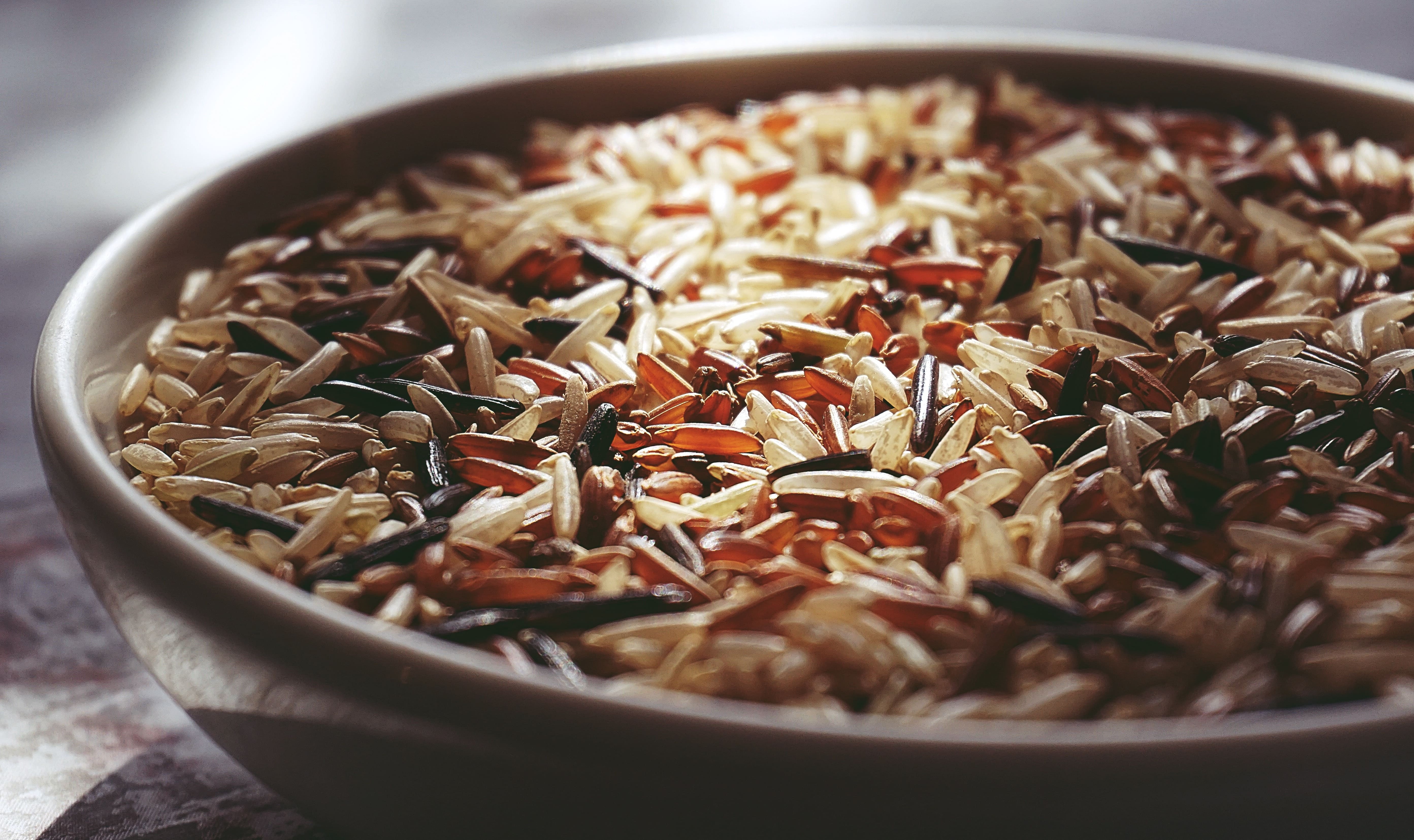
Hearty grains are the unsung heroes of plant-based protein sources! Quinoa, the ancient pseudocereal with origins in the Andes, is packed with 8 grams of protein per cup and makes an excellent base for salads or as a substitute for rice in any dish. Brown rice does double-duty, providing sufficient protein while also supporting your digestive health with its fiber content. Barley adds a chewy, wholesome touch to soups, stews, or salads, while amaranth, a lesser-known grain, can be utilized in granola, as a side dish, or even as a unique crust for protein-packed savory pies.
Nuts and seeds
• Almonds
• Chia seeds
• Pumpkin seeds
• Sunflower seeds
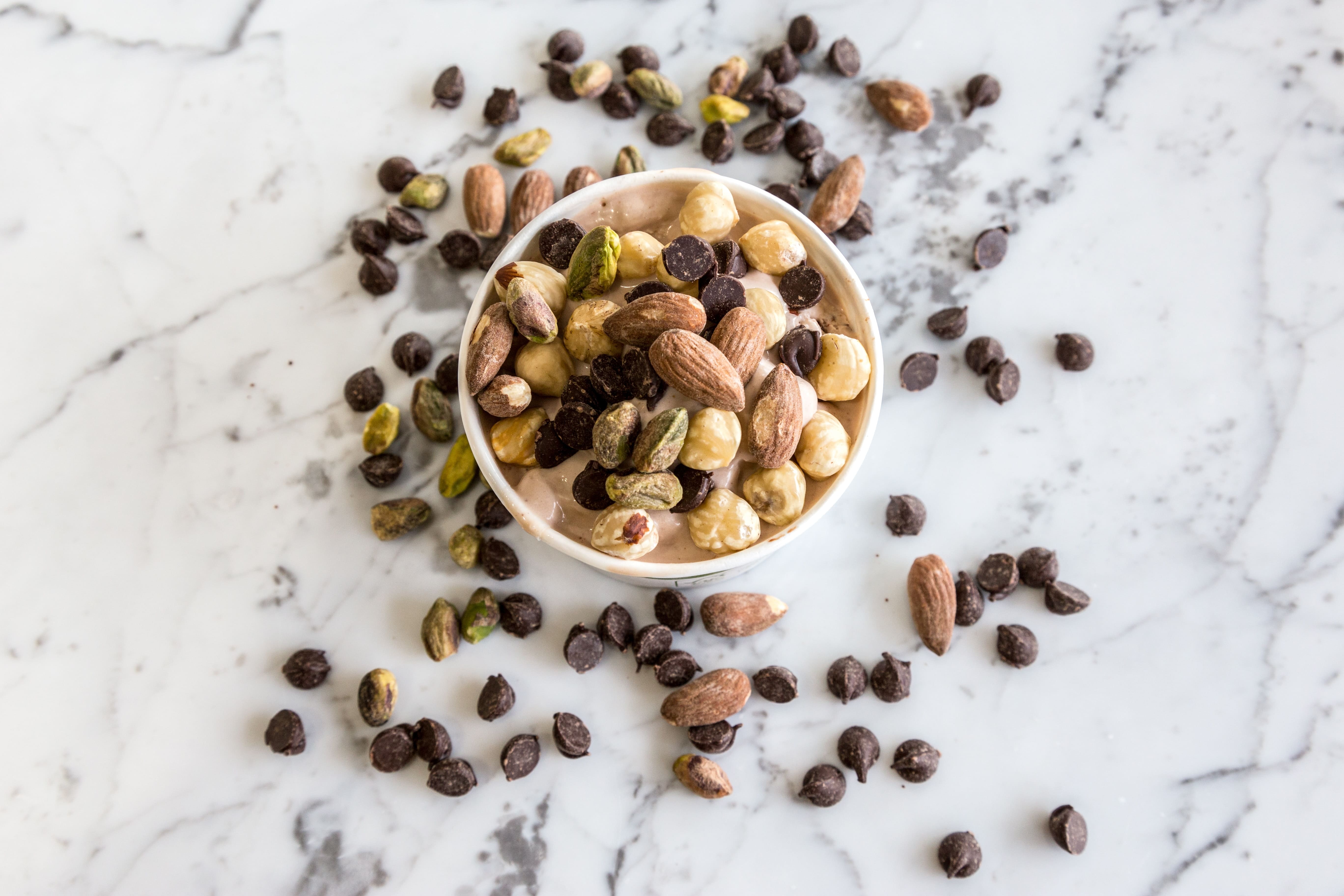
Nuts and seeds may be small in size, but they deliver a massive punch when it comes to plant-based protein. Almonds make a nutritious snack, add flavor and crunch to baked goods, or can be transformed into almond butter for the perfect sandwich companion. Chia seeds can be mixed with almond milk for a satisfying pudding, stirred into oatmeal or yogurt for an extra protein boost, or sprinkled on salad for added crunch. Pumpkin seeds are not only a perfect post-workout snack but can also be roasted and tossed into salads or pasta dishes. Don't forget sunflower seeds, which can be added to trail mix, granola or sprinkled on savory dishes for an inspiring twist.
Plant-based protein powders
• Pea protein powder
• Rice protein powder
• Hemp protein powder

Plant-based protein powders offer a convenient way to increase your protein intake with minimal effort. Pea protein powder is an allergen-friendly option and is versatile when mixed into your daily smoothie or baked into protein bars. Rice protein powder is easy to digest and can add a protein boost to energy balls, oatmeal, or can be combined with other protein powders for a more diverse amino acid profile. Hemp protein powder is derived from the nutrient-dense hemp plant, and its earthy taste blends well in green smoothies, chia pudding, or even a hearty, protein-packed soup.
These plant-based protein sources not only offer delicious alternatives for your favorite dishes, but they also provide essential nutrients that support your overall health and well-being. Adding variety to your protein intake will ensure a harmonious balance of essential amino acids and will create dishes that leave you feeling satisfied, energized, and ultimately inspired. So go ahead, and let your plant-based protein journey flourish with these enticing options!
Gradually incorporate plant-based food
When embarking on the journey of replacing animal protein with plant-based alternatives, it is essential to take a thoughtful and balanced approach to ensure optimal health and success. One of the most important steps is to gradually incorporate plant-based foods into your diet, giving your body the time to adjust to new flavours and textures while also allowing your digestive system to adapt to the higher fiber intake. This gradual shift can be achieved by designating certain days of the week as "meat-free" or substituting specific meals with plant-based options.
Ensure your meals are balanced
Another critical aspect of successfully replacing animal protein is ensuring that your meals are balanced and incorporate a variety of protein sources. Plant-based proteins often come with additional health benefits, such as high fiber, antioxidants, and micronutrients, that can enhance your overall well-being. Consuming various protein sources can provide a full spectrum of essential amino acids, which are vital for muscle development, tissue repair, and immune function. Some excellent examples of plant-based protein sources include legumes, grains, nuts, seeds, and soy products like tofu and tempeh.
Remember to manage potential deficiencies
Lastly, it is crucial to understand and manage any potential deficiencies that may arise while transitioning to a plant-based diet. Most common concerns include deficiencies in nutrients such as iron, vitamin B12, calcium, and omega-3 fatty acids. To combat this, be sure to research the proper ways to obtain these crucial nutrients from plant-based sources or consider supplementation when necessary. For example, dark leafy greens, fortified plant-based milks, and almonds are excellent sources of calcium, while chia seeds, flaxseeds, and walnuts provide omega-3 fatty acids. It's also wise to consult with a healthcare professional or nutritionist for personalized guidance and advice, ensuring that you're meeting your individual nutritional needs while embarking on this transformative journey of animal protein replacement.
In conclusion, embracing a plethora of plant-based protein sources is not only beneficial to our health, but also to the environment, and the lives of countless animals. The incredible diversity and nutritional value found within vegan alternatives make them a worthy and viable replacement for animal proteins in our daily lives. Moreover, each one of us has the potential to make a significant, life-altering change by gradually incorporating these vegan options into our diets. The journey to a plant-based lifestyle may seem daunting initially; however, perseverance is key to unlocking a world of delicious, healthful, and compassionate dietary possibilities.
As you embark on this transformative journey towards a more sustainable and ethical way of living, let this guide be your compass, directing you towards the wealth of vegan alternatives that await you. Remember, you're not alone in this endeavor; countless others are rediscovering the incredible potential of plant-based proteins, and together we can create a kinder, healthier future for all beings on our planet. So, let today be the day you take that first brave step towards change, fuel your mind, body, and soul with the power of plant-based proteins, and let your compassion for mankind, animals, and the Earth be your inspiration to make a difference.
