

The Plastic Pandemic: 12 Astonishing Facts That Will Change Your Perspective
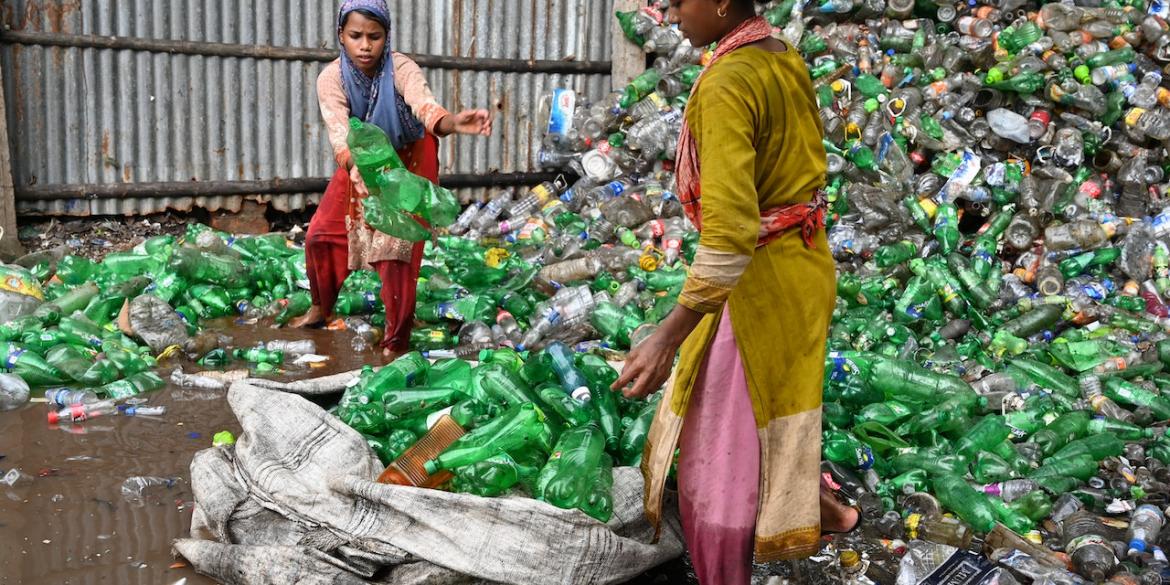
The plastic crisis has become a global pandemic, impacting our oceans, wildlife, and even our own health. The following 12 shocking facts about plastic will shed light on the magnitude of this problem and inspire you to rethink your plastic consumption habits.
1. Plastic's Eternal Lifespan
Plastic takes anywhere from 20 to 1,000 years to decompose. With 8.3 billion metric tons of plastic produced since the 1950s, much of it still exists in some form today, polluting our environment and threatening wildlife.
2. Single-Use Plastic Domination
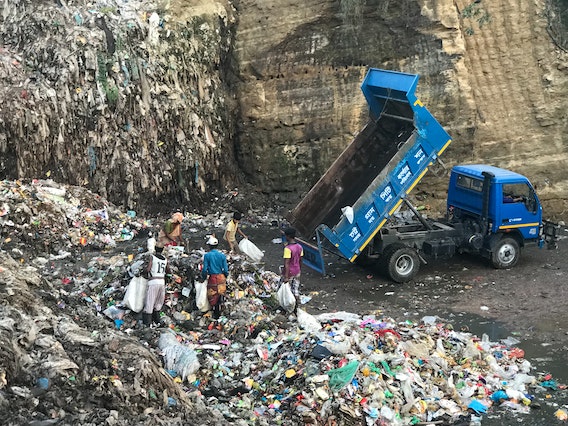
Around half of the plastic produced is designed for single-use purposes. Items like plastic bags, straws, and cutlery are used for mere minutes before being discarded, contributing to the plastic waste crisis.
3. The Great Pacific Garbage Patch
The largest accumulation of ocean plastic, known as the Great Pacific Garbage Patch, is twice the size of Texas. It contains approximately 1.8 trillion pieces of plastic debris and continues to grow daily.
4. Marine Life at Risk
Over 700 marine species are at risk due to plastic pollution. Sea turtles, seabirds, and marine mammals often mistake plastic for food or become entangled in plastic debris, leading to injury, starvation, and death.
5. The Microplastics Menace
Microplastics, tiny particles of plastic measuring less than 5mm, are pervasive in our environment. They've been found in the deepest trenches of the ocean, Arctic ice, and even in the food we eat, posing potential health risks for humans.
6. Plastic Production on the Rise
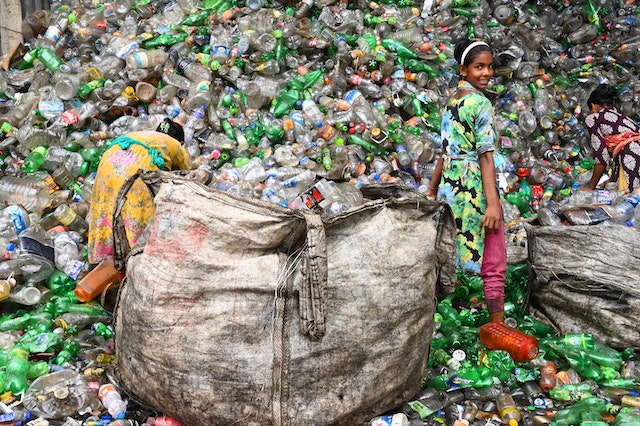
Despite increasing awareness of the plastic crisis, plastic production is expected to double by 2050. This surge in production will only exacerbate the existing plastic pollution problem.
7. Plastic in Our Food Chain
Around one-third of fish caught for human consumption contain plastic. As microplastics make their way up the food chain, they can accumulate in our bodies, potentially impacting our health.
8. The Cost of Plastic Bag Consumption
Globally, we use approximately 1 trillion plastic bags every year. To put this in perspective, that's nearly 2 million plastic bags used every minute.
9. Ocean Plastic Outweighs Fish
By 2050, it's estimated that there will be more plastic in the ocean than fish by weight. This alarming prediction highlights the urgent need for action to combat plastic pollution.
10. Recycling Fallacy
Only around 9% of all plastic waste ever produced has been recycled. The majority ends up in landfills, incinerated, or polluting our environment.
11. Bottled Water's Dark Side
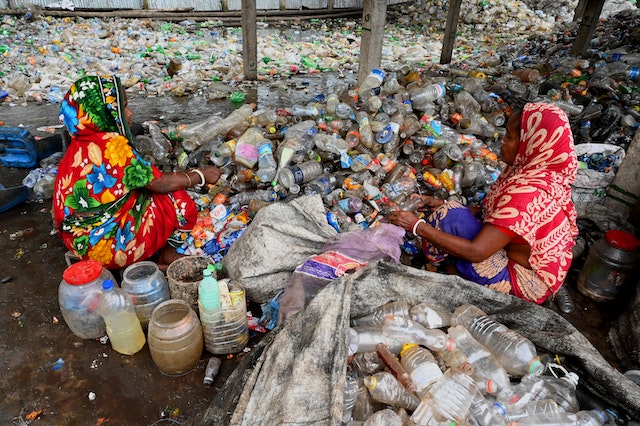
Americans alone purchase over 42 billion plastic water bottles annually, with only 23% of these bottles being recycled. The rest end up in landfills or as litter, further contributing to the plastic crisis.
12. The Economic Impact of Plastic Pollution
Plastic pollution costs the global economy an estimated $13 billion per year, as it impacts tourism, fisheries, and shipping industries. This staggering figure highlights the need for immediate action to reduce our reliance on plastic.
These astonishing facts about plastic underscore the severity of the plastic crisis and the urgent need to rethink our consumption habits. By raising awareness and taking action to reduce our plastic footprint, we can make a positive impact on the health of our planet and its inhabitants.
