

Salt - how does it affect the body and which is the healthiest?
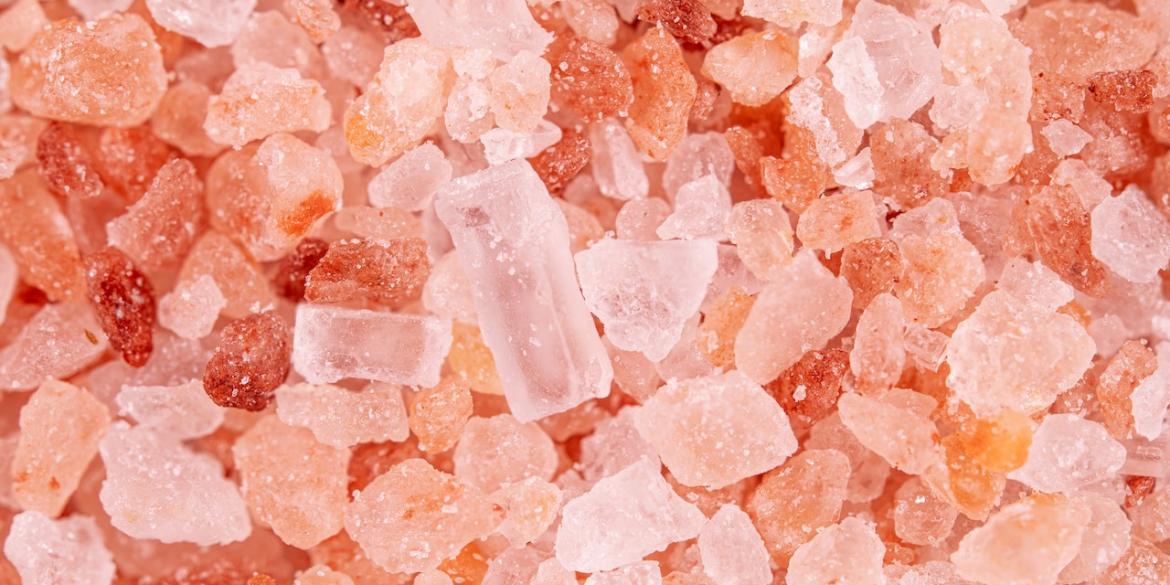
Salt is one of the most popular spices in the world. It seems to be indispensable to us in the kitchen, which is why more and more people are wondering how it affects the body. Although, as is well known, people with high blood pressure and heart disease should be wary of it, salt has many health-promoting properties. Which of its types is the healthiest?
Salt was valued as far back as ancient times.
According to Mosaic law, the sacrifice offered on the altar had to be salted. Why? At least not for taste. Salt ensured that spoilage was slowed down. The Romans used it to prolong the freshness of vegetables, cheese or meats. In the 14th century, salt was called white gold, because its value was enormous. However, at the beginning of the 20th century, its negative effects on the body began to be noticed. To this day, scientists warn that excess salt in the diet can cause hypertension, increase the risk of cardiovascular disease, the occurrence of stroke and damage the kidneys.
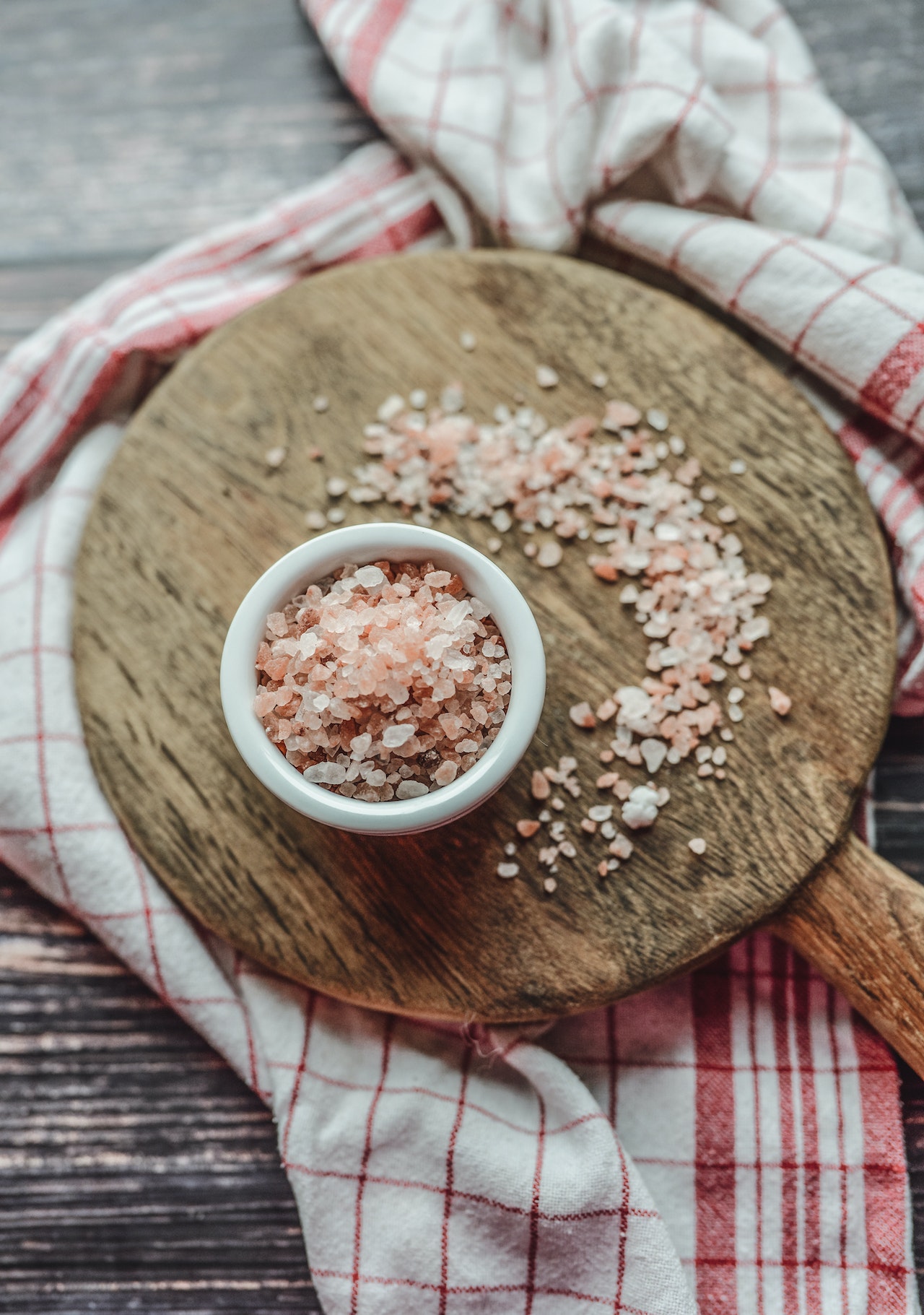
Today, the food industry includes salt in the list of ingredients in most food products, increasing the risk of excessive consumption. Used within the limits of the norm, it will not harm our health. Although it has no nutrients, it is needed to maintain electrolyte balance in the body. It is also a component of cellular and tissue fluids. There are many types of salt available on the market today. Each variety has different properties, but all mainly contain iodine. It also all depends on what our taste preferences are. The most popular in Poland is table salt, which loses all micronutrients during processing. It is heavily processed to remove impurities, which can also remove trace minerals. This salt is enriched with sodium and iodine.
We also have sea salt, which consists mainly of sodium chloride, although it can sometimes contain small amounts of minerals such as potassium, zinc and iron. Himalayan salt, which breaks records for popularity, is pink or gray in color. Chemically, it is similar to table salt and contains up to 98% sodium chloride. The rest consists of trace minerals: potassium, magnesium and calcium.
Rock salt, on the other hand, contains trace minerals such as chromium, calcium, copper, manganese, magnesium, zinc, iron, potassium, iodine. It differs from common table salt in that it does not undergo a leaching process. It also has different colors, most often gray.
A slightly less popular type of salt, is Kala Namak black salt.
It is used in oriental cuisine, but also in Polish cuisine. Contrary to appearances, it does not have a black color, but a purple or dirty pink color. This salt contains large amounts of iron. In addition to sodium chloride, it also has trace amounts of sulfur compounds found naturally in the Himalayas. Kala Namak has a distinctive egg-like aroma.
Salt used in the diet in moderation, in appropriate doses, is not harmful to the body. So how much salt to consume? According to the recommendations of the World Health Organization, salt intake should not exceed 5 g per day. This amount is roughly equivalent to one small teaspoon. Different types of salt differ in their composition - primarily in the content of elements such as magnesium, potassium and iron. However, it is impossible to unequivocally indicate which is the healthiest.
