

10 Shocking Facts About Trophy Hunting and Its Impact on Endangered Species: The Heartbreaking Reality

Trophy hunting, the merciless practice of hunting wild animals for the purpose of displaying their body parts as trophies, has been a controversial and heart-wrenching topic for decades. Proponents argue that it contributes to conservation efforts, while others contend that it is a cruel and unnecessary practice that endangers vulnerable species and causes immense suffering. This article sheds light on ten shocking and heartbreaking facts about trophy hunting and its devastating impact on endangered species.
Fact 1: Economic value of trophy hunting
Trophy hunting generates billions of dollars worldwide, with hunters willing to pay enormous sums to kill majestic creatures for their own personal satisfaction. Unfortunately, this financial gain comes at a tremendous cost to the environment, the well-being of endangered species, and our own humanity.
Fact 2: Limited contribution to conservation efforts
Despite the revenue generated by trophy hunting, only a small fraction is allocated to conservation. More compassionate and sustainable alternatives, such as eco-tourism and community-based conservation, have proven more effective in supporting both local economies and wildlife protection without the need for bloodshed.

Fact 3: Impact on animal populations
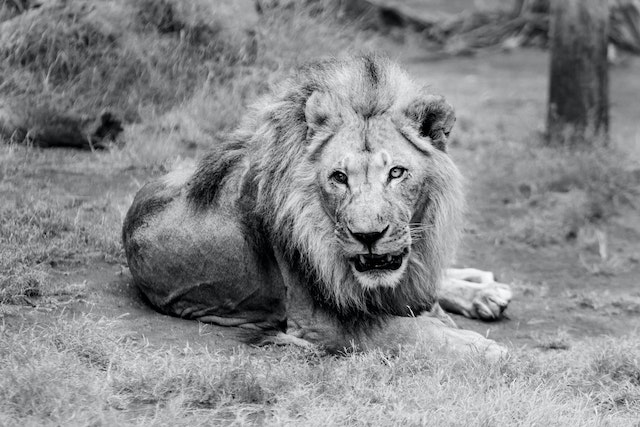
Trophy hunting has led to the tragic decline of endangered species populations. African lions, for example, have seen a 43% decrease in their population over the last two decades, partly due to trophy hunting. The haunting images of lifeless elephants, rhinos, and leopards, hunted as trophies, are a stark reminder of the irreversible damage caused by this practice.
Fact 4: Trophy hunting and animal suffering
Many trophy hunting practices inflict unspeakable pain and suffering on animals. Bow hunting, for example, can cause prolonged agony for wounded animals, while canned hunting involves shooting captive-bred animals in enclosed spaces, with no chance of escape. The despair and helplessness of these creatures are beyond comprehension.
Fact 5: Trophy hunting and ecosystem imbalance
The removal of key species from ecosystems due to trophy hunting can create a devastating ripple effect, negatively impacting other species and habitats. When apex predators such as lions are hunted, it can lead to overpopulation of herbivores, resulting in overgrazing and habitat degradation, making it harder for entire ecosystems to recover.
Fact 6: Legal loopholes allowing trophy hunting
In the United States, several laws and regulations have been enacted to protect endangered species. However, legal loopholes still exist, allowing hunters to target these animals. For example, permits can be obtained to hunt threatened species if it is deemed to "enhance the survival" of the species, a vague criterion that is often exploited, leaving these vulnerable creatures exposed to the whims of hunters.
Fact 7: The role of trophy hunting in poaching
Legal trophy hunting can contribute to the demand for illegal wildlife trafficking. The sale of hunting permits and trophies can create a market for poached animals and their body parts, driving up prices and incentivizing illegal hunting. This sinister connection adds another layer of tragedy to the already grim reality of trophy hunting.
Fact 8: Threatened species targeted by trophy hunters
Endangered and threatened species commonly targeted by trophy hunters include African elephants, rhinos, lions, leopards, and bears. The relentless pursuit of these animals for trophies puts unbearable pressure on their dwindling populations and pushes them closer to the brink of extinction.
Fact 9: Public opinion on trophy hunting
A growing number of people worldwide are opposed to trophy hunting. Survey data indicates that a majority of Americans, Europeans, and Africans disapprove of the practice. This shift in public opinion is contributing to the global movement against trophy hunting, as more people recognize the heartache and devastation it causes to these magnificent animals and their habitats.
Fact 10: Successful bans on trophy hunting
Several countries, including Kenya, Botswana, and Costa Rica, have taken a stand against cruelty and successfully banned trophy hunting. These bans have led to positive effects on endangered species, including the stabilization or increase of populations and the recovery of damaged ecosystems. These success stories offer hope and inspiration for the future of wildlife conservation.
Trophy hunting has severe and heartrending consequences for endangered species and their habitats. By understanding the shocking and sorrowful realities of this practice, we can join the growing movement to advocate for compassionate alternatives and protect these vulnerable creatures from senseless suffering. It is our collective responsibility to raise our voices against trophy hunting, and ensure that future generations can witness the beauty and majesty of these endangered species in their natural habitats, where they truly belong.
