The Science Behind Altruism: How Helping Others and Animals Boosts Our Well-being

Altruism, the act of selflessly helping others without expecting anything in return, has long been a subject of fascination in both philosophy and psychology. At its core, altruism is about fostering positive relationships between humans and animals, as well as between individuals within a community. This deep-rooted human quality not only benefits those receiving help but also enhances the well-being of those offering it. In this blog post, we will explore the physiological and psychological benefits of altruism, delving into the release of oxytocin, serotonin, and dopamine, and examining the impact of helping others and animals on our mental health.
The Physiology of Altruism
Altruistic behaviours trigger the release of certain "feel-good" chemicals in our brains, such as oxytocin, serotonin, and dopamine. Let's take a closer look at how these neurotransmitters influence our well-being.

Oxytocin: The Love Hormone
Oxytocin release through altruistic behaviors
Oxytocin is a hormone and neurotransmitter that plays a crucial role in social bonding, trust, and empathy. When we engage in altruistic behaviors, such as offering emotional support or physical touch, our brains release oxytocin. This hormone helps create a sense of connection, making us feel closer to those we help.
The role of oxytocin in bonding and trust
Oxytocin strengthens trust and emotional bonds between individuals. It is particularly important in parent-child relationships, romantic partnerships, and friendships. By fostering trust and empathy, oxytocin helps us build strong, supportive communities, which are vital for our mental and emotional well-being.
Serotonin: The Mood Regulator
Serotonin is a neurotransmitter that regulates mood, appetite, and sleep. Research has shown that altruistic behaviors can boost serotonin levels in the brain, promoting a sense of well-being and happiness. When we help others, we feel a sense of purpose and accomplishment, which in turn increases our serotonin levels and enhances our mood.
How serotonin affects mood and well-being
Higher serotonin levels are associated with improved mood, reduced anxiety, and increased resilience to stress. By engaging in altruistic behaviors, we can naturally elevate our serotonin levels and improve our overall mental health.
Dopamine: The Reward Chemical
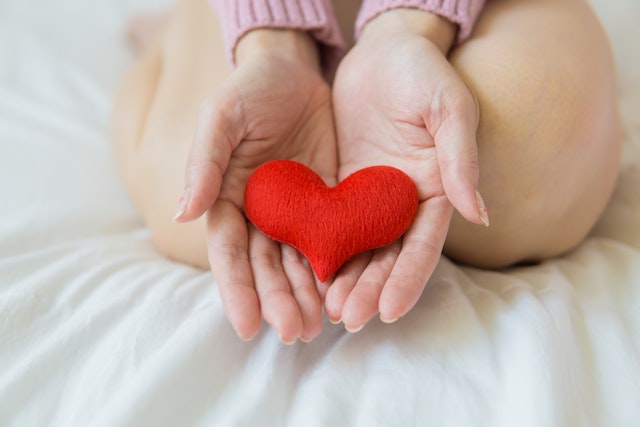
Dopamine is a neurotransmitter that plays a critical role in the brain's reward system. It is released when we experience pleasure, success, or positive reinforcement. Altruistic behaviors stimulate the release of dopamine, reinforcing the sense of satisfaction and happiness we derive from helping others.
The impact of dopamine on motivation and pleasure
When dopamine levels increase, so do our motivation and pleasure. This neurotransmitter encourages us to repeat actions that generate positive feelings, thereby reinforcing altruistic behaviors. Ultimately, helping others becomes a self-perpetuating cycle of positivity and well-being.
The Psychological Benefits of Altruism
Improved Mental Health
Altruism as a natural antidepressant. Engaging in acts of kindness and selflessness can alleviate symptoms of depression and anxiety. By focusing on the needs of others, we shift our attention away from our own problems, which can have a therapeutic effect on our mental health.
Altruistic behaviors can help reduce stress levels by fostering social connections and support networks. When we engage in acts of kindness, we create a sense of belonging and shared purpose, which can mitigate the negative effects of stress on our well-being.
Increased Self-esteem and Life Satisfaction
Helping others can have a significant impact on our self-esteem. When we see the positive effects of our actions on other people or animals, we gain a sense of accomplishment and self-worth. This, in turn, boosts our confidence and self-perception, leading to improved mental health.
How altruistic behavior enhances life satisfaction
Altruism has been linked to increased life satisfaction. When we engage in acts of kindness, we cultivate a sense of purpose and meaning in our lives. This contributes to a more positive outlook on life, fostering happiness and contentment.
Fostering Positive Social Connections
Social support is a critical factor in maintaining good mental health. Research has shown that strong social connections can improve our resilience to stress, reduce the risk of mental health issues, and promote overall well-being. Altruism can help us build and strengthen our social networks, providing us with the support we need to thrive emotionally.
How altruism strengthens relationships and community bonds
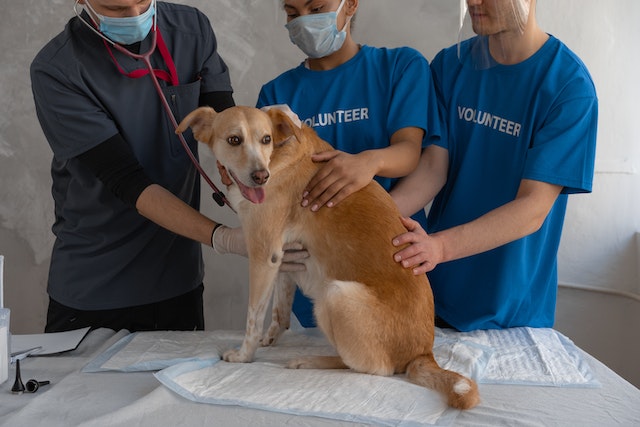
By engaging in altruistic behaviors, we foster positive relationships with those around us. Acts of kindness can break down barriers, build trust, and create a sense of unity within a community. As a result, we develop stronger, more supportive relationships that contribute to our overall well-being.
The human-animal bond
Caring for animals can have profound effects on our mental and emotional well-being. Interacting with animals can lower stress levels, reduce feelings of loneliness, and promote a sense of purpose. Animals offer unconditional love and companionship, which can be incredibly comforting and healing, particularly for those struggling with mental health challenges.
Helping animals, whether through adoption, rescue work, or volunteering, can cultivate empathy and compassion within us. These acts of kindness towards animals can strengthen our emotional intelligence and deepen our understanding of the interconnectedness of all living beings.
Animal-assisted therapy
Animal-assisted therapy is a therapeutic approach that involves animals as a form of treatment. Research has demonstrated the effectiveness of animal-assisted therapy in reducing anxiety, depression, and PTSD symptoms. The presence of animals can create a calming and supportive environment, promoting healing and emotional growth.
The science behind the effectiveness of animal-assisted therapy
Animals can have a profound impact on our mental health by offering nonjudgmental support and companionship. Interactions with animals can trigger the release of oxytocin, serotonin, and dopamine in our brains, enhancing our mood and overall well-being. Additionally, working with animals can teach us valuable life skills, such as patience, responsibility, and empathy.

The role of education in promoting altruism
Educational institutions play a crucial role in nurturing altruistic values in children and young adults. By integrating lessons on empathy, compassion, and community service into the curriculum, schools can foster a culture of kindness and social responsibility.
The importance of modelling altruistic behavior
Parents, teachers, and community leaders can encourage altruism by modeling altruistic behavior themselves. When children and adults see the positive impact of helping others, they are more likely to adopt these behaviors in their own lives.
Opportunities for volunteering and community involvement
Volunteering and community involvement provide excellent opportunities for individuals to practice altruism. By participating in local projects, charity events, or volunteer work, people can contribute to the well-being of others while enhancing their own mental health and sense of purpose.
Altruism offers numerous physiological and psychological benefits, including the release of oxytocin, serotonin, and dopamine, which contribute to our overall well-being. Helping others and animals not only impacts our mental health positively but also fosters strong social connections and promotes a sense of purpose in our lives. By encouraging a culture of altruism, we can create supportive communities that enhance the well-being of both individuals and society as a whole. Whether through acts of kindness, volunteering, or caring for animals, altruistic behaviors have the power to transform our lives and the world around us for the better.