

The Impact of Puppy Mills and How to Combat Them
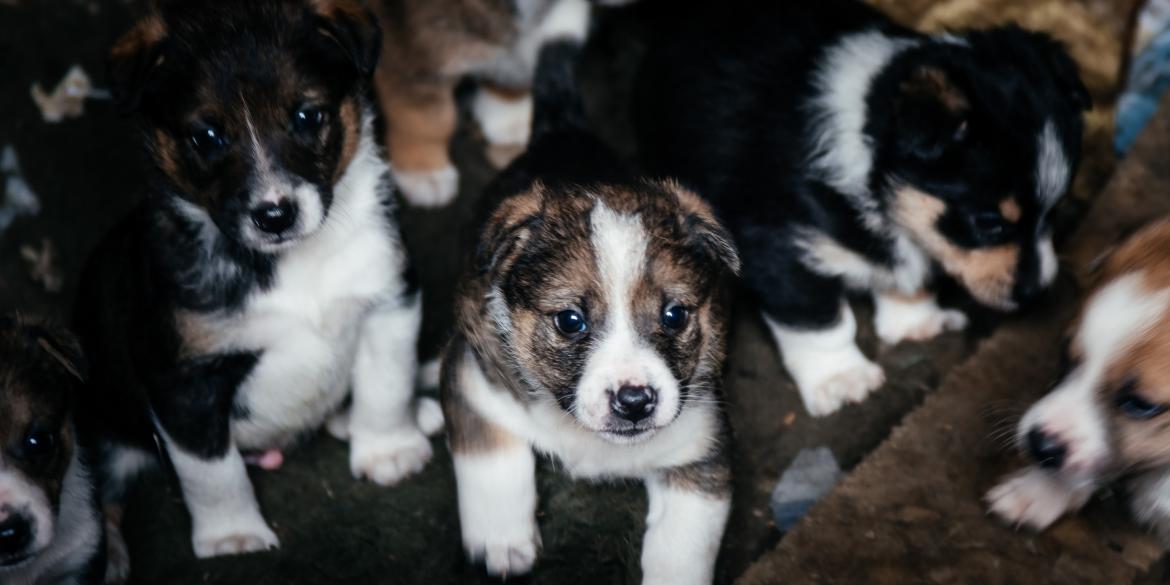
Puppy mills are large-scale commercial breeding facilities that prioritize profit over animal welfare. These establishments often house dogs in cramped, unsanitary conditions with little regard for their physical or emotional well-being. Puppy mills nohave a devastating impact on the dogs they exploit andose significant public health and environmental risks. This article explores the effects of puppy mills on dogs and the environment and offers strategies to combat them.
The negative Effects of Puppy Mills on Dogs
1. Physical health consequences
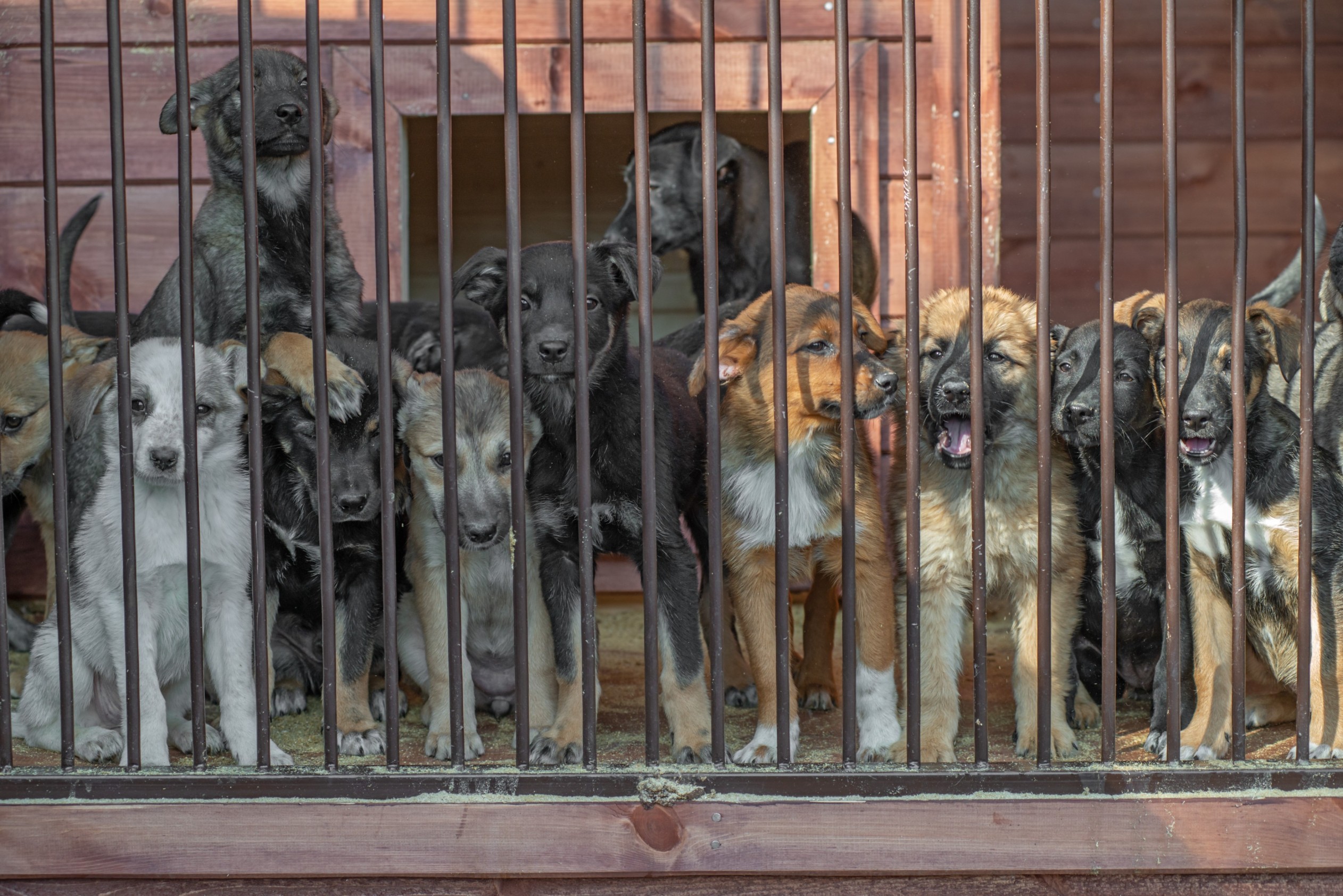
Overcrowding and lack of sanitation: Puppy mills frequently house dogs in small cages, with limited access to clean water, proper ventilation, or a comfortable place to rest. These unsanitary conditions can lead to the spread of diseases and parasites, causing serious health issues for the dogs.
Poor nutrition: Dogs in puppy mills are often fed low-quality food to cut costs, leading to malnutrition and related health problems. Poor nutrition can stunt growth, weaken the immune system, and cause long-term health issues.
Inadequate veterinary care: Puppy mills prioritize profits over the well-being of the animals, often providing little to no veterinary care. This lack of care can result in untreated injuries, infections, and chronic pain.
Inbreeding and genetic disorders: To maximize profits, puppy mills breed dogs indiscriminately, which can lead to inbreeding and a higher prevalence of genetic disorders. These disorders can cause long-term suffering and significantly shorten the dogs' lifespans.
2. Psychological and behavioral consequences
Socialization issues: Dogs in puppy mills are often deprived of proper socialization, which is critical for their development. This lack of exposure to humans, other animals, and various environments can result in lifelong socialization difficulties.
Anxiety and fearfulness: The stressful and traumatic conditions of puppy mills can lead to anxiety and fear in dogs. This can manifest in various ways, such as excessive barking, destructive behaviors, or difficulty adapting to new situations.
Aggression: Some dogs from puppy mills may develop aggression as a result of their experiences, posing a challenge for their adoptive families and potentially endangering other pets or people.
Long-term effects on adoptive families: Adopting a dog from a puppy mill can be emotionally and financially taxing for families. The extensive medical care and behavioral rehabilitation these dogs often require can strain resources and cause heartache.
The Impact on the Environment and Public Health
1. Pollution and waste management issues
Water pollution: The waste produced by large numbers of dogs in puppy mills can contaminate local water supplies, posing a threat to both human and environmental health.
Air pollution: The ammonia from accumulated urine in puppy mills can lead to poor air quality, causing respiratory issues for both the dogs and the humans in the vicinity.
Waste disposal problems: The improper disposal of waste from puppy mills can contribute to soil and water pollution, further harming the environment and public health.
2. Zoonotic diseases and antibiotic resistance
Transmission of zoonotic diseases: The unsanitary conditions in puppy mills can facilitate the transmission of zoonotic diseases, which can spread from animals to humans.
Overuse of antibiotics and development of antibiotic resistance: In an effort to prevent the spread of diseases in overcrowded conditions, puppy mills may overuse antibiotics, contributing to the development of antibiotic-resistant bacteria. This poses a significant public health risk as antibiotic resistance makes treating infections more challenging and can lead to serious complications.
The Role of Consumers in Supporting Puppy Mills
1. Demand for puppies and designer breeds: The high consumer demand for puppies, particularly designer breeds, fuels the existence of puppy mills. These facilities cater to this demand by producing large quantities of puppies at a low cost, often at the expense of the animals' welfare.
2. Lack of awareness about the origin of puppies: Many consumers are unaware of the conditions under which puppies are bred in puppy mills, unintentionally supporting these inhumane practices by purchasing their pets from pet stores, online sellers, or other sources linked to puppy mills.
3. Impulse purchases and the pet trade: Impulsive decisions to buy a puppy can lead to ill-informed choices, increasing the likelihood of supporting puppy mills. Additionally, the commodification of pets contributes to the proliferation of these facilities.
Strategies to Combat Puppy Mills
1. Legislation and enforcement
Strengthening animal welfare laws: Advocating for stricter animal welfare legislation can help to regulate breeding facilities and improve the living conditions for dogs. Stricter laws can include requirements for proper veterinary care, humane housing conditions, and breed-specific health testing.
Improving enforcement: Stronger laws need to be accompanied by better enforcement to ensure that puppy mills are held accountable for their actions. This can be achieved through increased funding for animal welfare agencies, regular inspections, and harsher penalties for violations.
 (1).jpg)
2. Education and public awareness
Raising awareness: Educating the public about the realities of puppy mills and promoting the adoption of pets from shelters and reputable breeders can help to decrease the demand for puppies from these facilities.
Consumer responsibility: Encouraging potential pet owners to research the origins of their pets and avoid purchasing from questionable sources can reduce the demand for puppy mill-produced animals. This includes avoiding impulse purchases and being cautious of online sellers or pet stores with unclear breeding practices.
3. Support for rescue organizations and shelters
Adoption and fostering: Supporting local shelters and rescue organizations by adopting or fostering dogs in need can help to provide a better life for animals while reducing the demand for puppies from puppy mills.
Financial and material donations: Contributing financially or donating supplies to animal shelters and rescue organizations enables them to continue their essential work in rescuing and rehabilitating dogs from puppy mills.
Volunteering and advocacy: Volunteering time and skills to shelters, rescue organizations, or advocacy groups can make a significant impact in the fight against puppy mills. Raising awareness, organizing events, or campaigning for legislative change are just a few ways to get involved.
4. Promoting responsible breeding practices
Supporting reputable breeders: Encouraging the responsible breeding of dogs can help to decrease the demand for puppies from puppy mills. Reputable breeders prioritize the health and well-being of their animals, adhering to breed-specific health testing and maintaining high welfare standards.
Breeder education and certification: Supporting educational programs and certification for breeders can help to ensure that more dogs are bred responsibly, with a focus on health, temperament, and welfare.
Puppy mills have devastating consequences for the dogs they exploit, the environment, and public health. Combating these inhumane breeding practices requires a multifaceted approach, including stronger legislation, increased public awareness, and support for rescue organizations and responsible breeders. By working together, we can make a difference in the lives of countless dogs and create a more compassionate world for all animals.
Sign the petition to stop inhumane practices of puppy mills!
