

The Power of Aromatherapy: Understanding Essential Oils and Their Benefits

Aromatherapy is the practice of using essential oils to enhance physical and mst, we will explore the benefits of aromatherapy and essential oils, and how you can use mental well-being. Essential oils are highly concentrated extracts obtained from plants that have been used for their therapeutic properties for centuries. In this blog pom to improve your overall health and well-being.
What are Essential Oils?
Essential oils are volatile compounds extracted from different parts of plants, including flowers, leaves, stems, bark, and roots. The extraction process usually involves steam distillation or cold pressing, which concentrates the plant's volatile oils into a highly potent form.
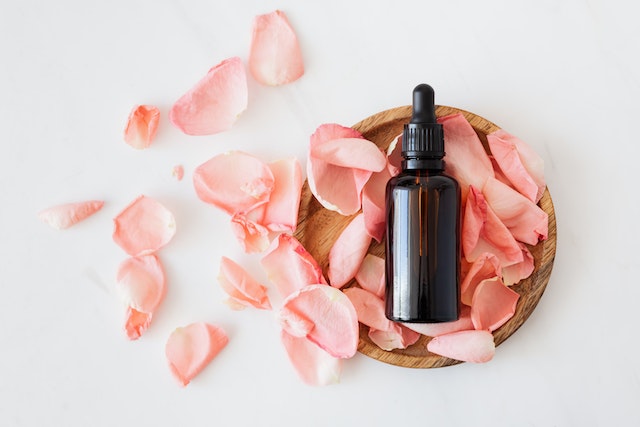
Each essential oil has a unique chemical composition, giving it its characteristic aroma and therapeutic properties. Essential oils are composed of various chemical components, including terpenes, aldehydes, esters, and phenols, which are responsible for their distinct therapeutic effects.
Properties and Benefits of Essential Oils
Essential oils are known for their antiviral, antibacterial, and anti-inflammatory properties, which make them useful for various physical and mental health conditions. Depending on the type of oil, they may have analgesic, sedative, or stimulant effects, among others.
Essential oils can be used topically, diffused, or ingested, although ingestion should be done with caution and only under the guidance of a healthcare practitioner.
The Benefits of Aromatherapy
Aromatherapy works by stimulating the olfactory system, which is responsible for our sense of smell. The olfactory system is directly connected to the limbic system, which is responsible for regulating emotions, behavior, and memories. When we inhale essential oils, they can affect our limbic system, resulting in changes in mood, relaxation, and stress reduction.
In addition to their psychological effects, essential oils can also have physical benefits. For example, some oils can help alleviate pain, reduce inflammation, boost immunity, and improve skin conditions.
Different ways to use essential oils for aromatherapy include inhalation through a diffuser, direct inhalation, topical application through massage or compresses, and ingestion (only under the guidance of a healthcare practitioner).
Popular Essential Oils and Their Benefits
Lavender oil:
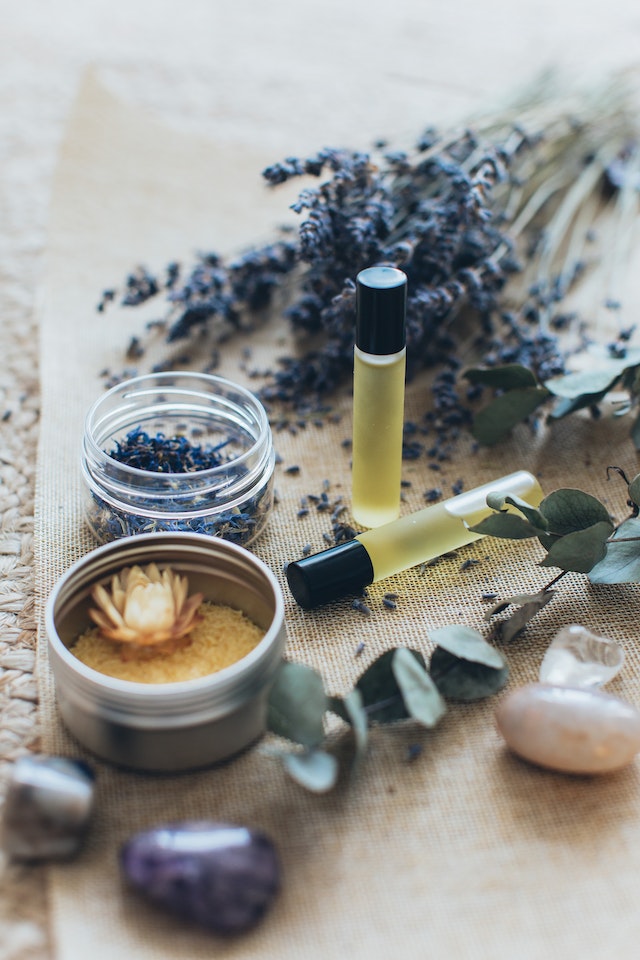
Lavender oil is perhaps the most well-known essential oil and is widely used for its calming and relaxing effects. It is also useful for promoting restful sleep, reducing anxiety, and easing headaches.
Peppermint oil:
Peppermint oil is known for its cooling and refreshing properties and is often used to relieve headaches, improve digestion, and alleviate respiratory issues.
Tea tree oil:
Tea tree oil is known for its antibacterial, antifungal, and antiviral properties. It is often used to treat skin conditions such as acne, eczema, and fungal infections, as well as to boost immunity.
Eucalyptus oil:
Eucalyptus oil has a fresh, minty aroma and is often used to alleviate respiratory issues, such as coughs, colds, and asthma. It also has analgesic and anti-inflammatory properties, making it useful for pain relief.
Lemon oil:
Lemon oil has a bright, citrusy scent and is often used to enhance mood, improve focus, and reduce stress. It is also useful for its antibacterial and antifungal properties, making it useful for cleaning and disinfecting surfaces.
Safety Precautions and Considerations
While essential oils can be highly beneficial when used correctly, they can also be dangerous if used improperly. Some oils can cause skin irritation or allergic reactions, and some can be toxic if ingested in large amounts.
To use essential oils safely, it is important to follow these guidelines:
Dilution: Essential oils are highly concentrated and should always be diluted before use. The recommended dilution ratio is typically 1-2 drops of essential oil per teaspoon of carrier oil, such as coconut, almond, or jojoba.
Patch test: Before using a new essential oil, it is important to perform a patch test to check for any adverse reactions. Apply a small amount of diluted oil to the skin and wait 24 hours to check for any redness, itching, or irritation.
Quality: Use only high-quality, pure essential oils from reputable sources. Look for oils that have been tested and certified for purity and potency.
Avoid ingestion: Ingesting essential oils should only be done under the guidance of a healthcare practitioner. Some oils can be toxic if ingested in large amounts, and others can interact with medications.
Use with caution during pregnancy and with children: Some essential oils should be avoided during pregnancy, and others should be used with caution with children. Always consult with a healthcare practitioner before using essential oils during pregnancy or with children.
Aromatherapy and essential oils have been used for centuries to improve physical and mental health. With the right knowledge and safety precautions, you can harness the power of essential oils to enhance your overall well-being. Try incorporating essential oils into your daily routine to see the benefits for yourself. Remember to always use essential oils safely and consult with a healthcare practitioner if you have any questions or concerns.
