

Horse-Drawn Carriages in Cities is Absurd to Use. Here's why it's bad
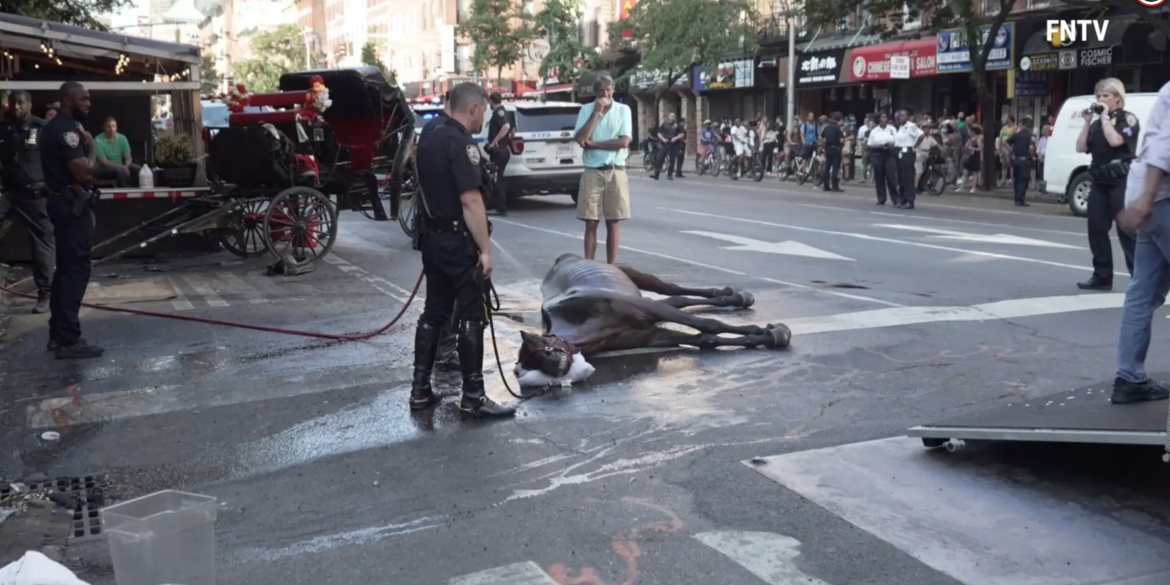
Once upon a time, horses were an essential part of our daily lives. They were used for transportation, ploughing fields, and other manual labor. However, as society evolved and technology advanced, we moved away from using animals for these purposes and towards more sustainable and humane practices. Yet, despite no longer using horses in fields for farming, we still use them in cities for entertainment purposes. This is absurd, and in this article, we will explain why.
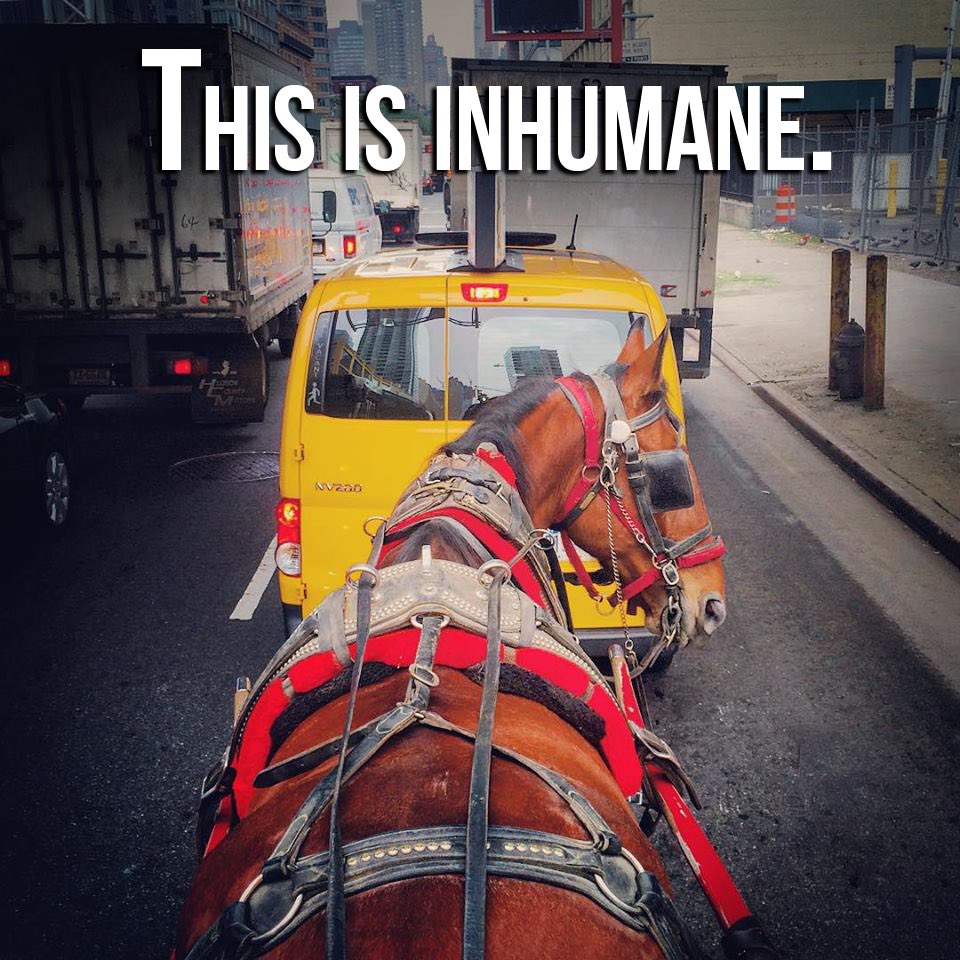
(photo: Twitter @nyclass)
The absurdity of using horses
It's important to highlight the absurdity of using horses in cities for transportation. Horses were once used for manual labor in fields, but are now being used for entertainment purposes. They are often seen in cities giving tourists a ride or taking people on romantic strolls. This is outdated and potentially harmful to both the horses and the public.
The welfare of horses
In this industry, it is a major concern. They are often forced to work long hours in harsh conditions, and their living conditions are not always ideal. Additionally, the risks they face on busy city streets can be dangerous and even fatal. According to a report by the American Society for the Prevention of Cruelty to Animals (ASPCA), horses that pull carriages can experience respiratory problems due to exhaust fumes, injuries from accidents, and stress from constant exposure to loud noises.
Safety concerns
There are safety concerns associated with horse-drawn carriages, both for the horses and for the public. Horses operating in high-traffic areas are at risk of accidents, which can result in serious injuries or even death. This poses a danger not only to the animals but also to the public. For example, in 2014, a horse-drawn carriage crashed in New York City's Central Park, injuring two passengers and the horse.
Transportation and animal welfare
We have evolved as a society in terms of transportation and animal welfare. We have moved away from using animals for transportation and labour and towards more sustainable and humane practices. This is reflected in the way we treat animals, as well as in the transportation systems we use. We no longer use horses to plough fields, and we have replaced them with tractors and other machines. Similarly, we should replace horse-drawn carriages in cities with more sustainable and humane alternatives, such as electric cars, bikes, and other forms of transportation.
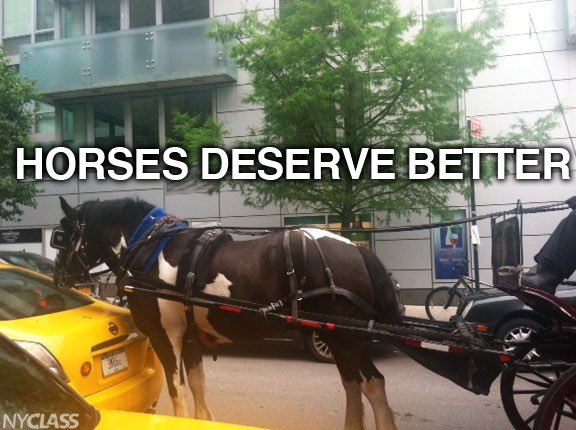
(photo: Twitter @nyclass)
The need for legislative changes
It's important to push for legislative changes to ban horse-drawn carriages in cities. Animal welfare organizations and activists have been calling for an end to this industry for years, and it's time for local governments to take action. We can make a difference by supporting these organizations and by lobbying our local officials to pass legislation that bans the use of horse-drawn carriages in cities.
Using horse-drawn carriages in cities is an outdated and potentially harmful practice that should be replaced with more sustainable and humane alternatives. It's time for us to evolve as a society and put an end to this industry. By taking action and supporting local animal welfare organizations, we can make a difference and create a more sustainable and humane future.
