

Faux Fur, Hemp, and More: A Guide to Animal-Friendly Alternatives in Fashion

Fashion has long been an industry that has relied on the use of animal products, and one of the most controversial of these products is fur. The production of fur garments has been linked to animal cruelty, environmental destruction, and even the spread of zoonotic diseases. Fortunately, there are many animal-friendly alternatives to fur that are becoming increasingly popular in the fashion industry.
In this article, we'll explore some of the most popular animal-friendly alternatives to fur, including faux fur, hemp, and plant-based fibers, and discuss the advantages and disadvantages of each.
Faux Fur
One of the most popular alternatives to fur is faux fur, which is made from synthetic materials such as acrylic, polyester, and nylon. Faux fur has become increasingly popular in recent years, and it's easy to see why. It's affordable, versatile, and can be made in a wide variety of colors and patterns.
However, faux fur is not without its downsides. The production of synthetic materials can be resource-intensive and may involve the use of harmful chemicals. Additionally, faux fur may not be as warm or durable as real fur, and it can shed microfibers that contribute to ocean pollution.

Hemp
Hemp is a versatile and sustainable material that can be used in a wide variety of applications, including fashion. Hemp fabric is lightweight, breathable, and durable, making it an excellent alternative to fur.
One of the biggest advantages of hemp is its sustainability. Hemp requires less water and pesticides than many other crops, and it can be grown without the need for synthetic fertilizers. Additionally, hemp fabric is biodegradable, which means it won't contribute to the buildup of waste in landfills.
However, there are some challenges associated with using hemp in fashion. Hemp fabric can be expensive, and it's not yet as popular as other materials. Additionally, hemp may not be as soft or comfortable as other fabrics, and it may require special care when washing.
Plant-Based Fibers
There are many plant-based fibers that can be used as alternatives to fur, including cotton, linen, and bamboo. These materials are often soft, comfortable, and breathable, making them ideal for use in clothing.
One of the biggest advantages of plant-based fibers is their sustainability. Cotton, for example, can be grown using sustainable farming practices that minimize the use of pesticides and fertilizers. Additionally, many plant-based fibers are biodegradable, which means they won't contribute to the buildup of waste in landfills.
However, there are also some downsides to using plant-based fibers. Cotton, for example, requires a lot of water to grow, which can be a problem in areas with limited water resources. Additionally, the production of some plant-based fibers, such as bamboo, can be resource-intensive and may involve the use of harmful chemicals.
Other Alternatives
In addition to the alternatives mentioned above, there are many other animal-friendly alternatives to fur. Recycled materials, for example, can be used to create new garments without the need for new resources. Leather alternatives, such as mushroom leather and pineapple leather, are also becoming increasingly popular.
However, it's important to note that not all leather alternatives are created equal. Some may still involve the use of harmful chemicals, and their sustainability depends on the materials and processes used to create them.
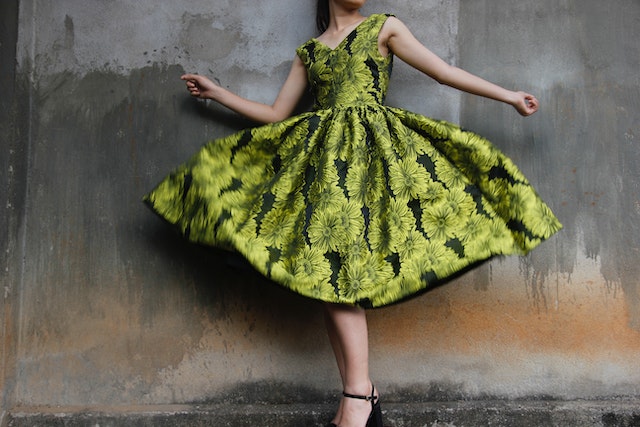
There are many animal-friendly alternatives to fur that are becoming increasingly popular in the fashion industry. Faux fur, hemp, plant-based fibers, and other alternatives offer a range of benefits, from sustainability to affordability to versatility.
As consumers, we have the power to choose what we wear and to support the use of animal-friendly alternatives in fashion. By opting for these alternatives, we can help reduce the demand for fur and other animal products, and promote a more sustainable and ethical fashion industry. It's important to do our research and choose materials and products that align with our values and priorities, and to support brands and designers that are committed to using animal-friendly alternatives in their collections. Together, we can make a difference and create a more compassionate and sustainable fashion industry.
